The Comprehensive Lens Replacement Surgical Procedure Overview: All Set For The Treatment


Written By-Wolfe Loomis
Preparing for refractive lens surgery can be simultaneously exciting and daunting. This procedure, commonly known as clear lens replacement, offers a lasting fix for those facing vision problems such as presbyopia, nearsightedness, or far sightedness. With innovations in the field, personalized lens solutions are easier to obtain than ever before, providing patients with the opportunity to boost their quality of life considerably.
Knowing what to expect throughout the entire surgery is essential for individuals considering this life-changing procedure. From the first meeting to the healing period, being well-informed can help ease any fears you may have. In this detailed guide, we will guide you through everything you need to know about lens replacement surgery, including its advantages, potential hazards, who is eligible, and what the post-surgery recovery looks like, making sure you feel confident as you embark on this journey towards clearer vision.
Understanding Lens Replacement Surgery
Clear lens exchange, also known as clear lens exchange, is a treatment aimed to enhance vision by taking out the innate lens of the eye and substituting it with an man-made one. This surgery is particularly helpful for individuals suffering from presbyopia or those with high prescriptions of nearsightedness or long-sightedness. Unlike traditional cataract surgery which is performed to correct cataracts, lens replacement surgery is a preemptive approach designed to providing permanent vision correction.
The procedure typically involves the employment of sophisticated technology to ensure exactness and effectiveness. During surgery, the eye is numbed, and the surgeon makes a small incision to take out the blurry lens. The new interior lens (IOL) is then inserted. There are various lens alternatives available, including high-quality lenses such as accommodating lens implants and extended range of vision lenses, which offer improved multi-focus vision and can diminish the dependence on glasses after surgery.
Post-operative recovery from lens replacement surgery is typically swift, with many patients experiencing significant vision improvement soon after the surgery. However, patient-specific recovery times may differ based on the type of lens used and the total health of the patient’s eyes. Comprehending the specifics of lens replacement surgery, including its positive aspects and likely risks, is crucial for anyone planning to undergo this transformative procedure for vision correction.
Preparation and Eligibility
Before having lens replacement surgery, it's important to assess if you are a good candidate for the procedure. Generally, https://mgyb.co/s/fEyEf are those who suffer from vision problems such as presbyopia, extreme nearsightedness, or astigmatism. An eye assessment by a certified ophthalmologist will assess your specific vision requirements and if lens replacement is the best option for you. Factors such as general eye health, existing medical conditions, and existing prescription levels play a vital role in eligibility.
Getting ready for the surgery involves several steps, such as thorough eye evaluations and meetings. During the pre-operative consultation, your surgeon will talk about your medical history, conduct various tests, and describe the different types of lenses available, including high-quality lens options. This is also the best opportunity for you to ask any questions regarding the procedure, recovery time, and potential risks. Understanding what to expect can alleviate anxiety and ensure you feel confident moving forward.
In also considering physical readiness, it's crucial to have a plan for your post-surgery healing. Organizing transportation for the day of surgery, as you may face temporary visual disturbances, is recommended. You should also consider discussing your goals and expectations with your surgeon to align on the best lens options for your needs. Being well-prepared can greatly enhance Extended Depth Of Focus Lens and contribute to successful results.
Costs and Payment Plans
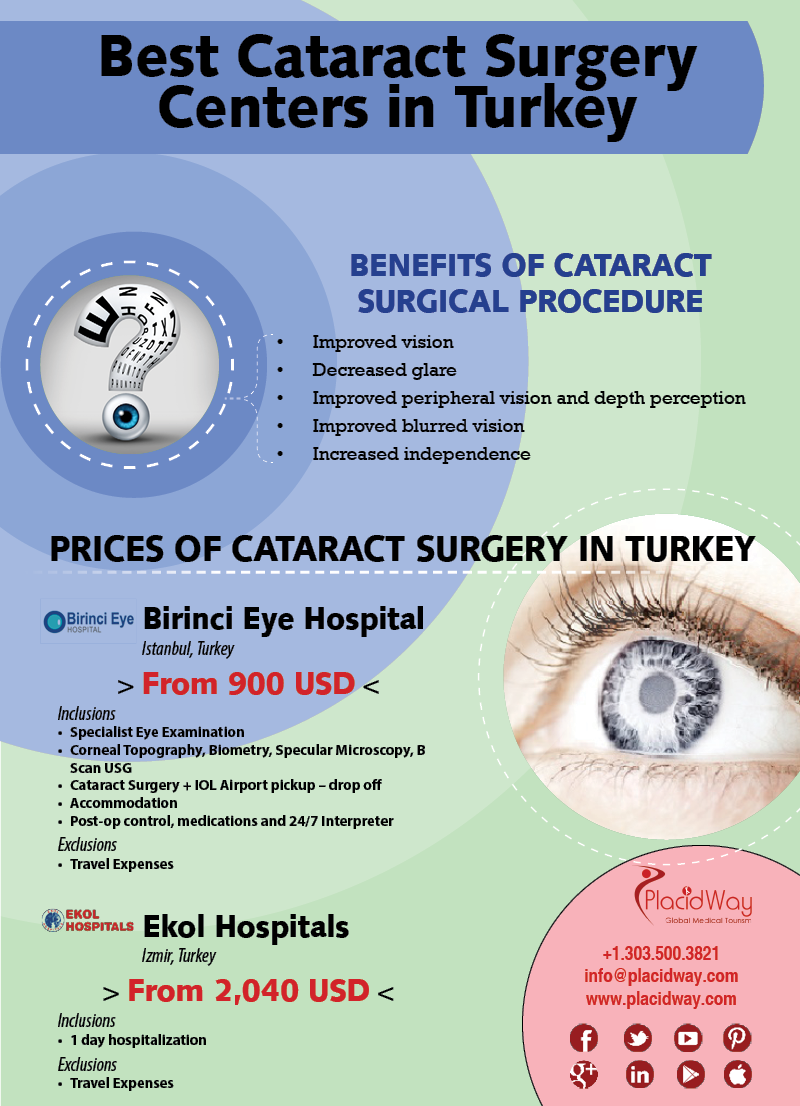
The expense of cataract surgery can differ significantly based on various factors, including the type of lens opted for, the physician's experience, and the physical location of the operation. On the whole, the total cost for a personalized lens replacement can range from a few thousand to more than ten thousand dollars per eye. When looking into high-end lens options like accommodating lens implants or extended depth of focus lenses, the costs can be on the upper end of that range. It is essential to talk about your surgeon the specific costs associated with your treatment plan to achieve a clear understanding of what to expect financially.
Financing options for lens replacement surgery are commonly available to help reduce the financial burden. Many clinics offer adaptable payment plans that allow patients to finance their operation in installments. Additionally, some practices provide special financing with little interest for a defined period which can be beneficial. It's also wise to verify if your health insurance includes support for any part of the procedure, particularly if you are receiving lens replacement due to eye issues or other clinical reasons.
Using Health Savings Accounts (HSA) or Flexible Spending Accounts (FSA) can also be an efficient way to control the costs related with lens replacement surgery. These accounts allow you to use pre-tax dollars to finance medical expenses, ultimately lowering your overall expenditure. Talk with your money advisor or the clinic's fiscal officer to investigate all available options and determine the best financial plan that fits your needs.
Healing and Anticipations
Following lens replacement surgery, patients can expect a steady improvement in their vision. Initial recovery typically begins within the initial few days, as any discomfort, swelling, or light sensitivity diminishes. It is common to experience variations in vision as the eyes adjust to the new lens, and some patients may notice sharper vision shortly after the procedure, while others may take more time to achieve optimal results. Following the surgeon's post-operative care instructions is crucial for a successful recovery.
Throughout the recovery period, it’s essential to go to follow-up visits so the surgeon can monitor healing and resolve any issues. Most patients will be able to go back to their normal routines in a few weeks, but some limitations may apply, particularly regarding heavy activities or water contact. Keeping the eyes protected and using prescribed eye drops are critical components of the recovery protocol. Patients should be aware that it’s normal to feel a bit of discomfort, but intense pain should be communicated to the surgeon immediately.
Expectations for sustained outcomes are typically positive, with many patients achieving significantly improved vision that lessens their dependence on glasses or contact lenses. Factors such as the patient's eye health, age, and compliance with post-operative care can affect the final results. Thorough conversations with the surgeon about possible outcomes, risks, and personal goals before the surgery will assist set realistic expectations for recovery and vision improvement.